

Three-piece suits
Cómo un chaleco cambia el aspecto y el ajuste de tu traje
Pocos elementos en la sastrería masculina tienen el mismo poder que un chaleco. Añade uno a un traje y todo el conjunto cambia. El corte se ve más definido, el ajuste se siente más pulcro...

Pocos elementos en la sastrería masculina tienen el mismo poder que un chaleco. Añade uno a un traje y todo el conjunto cambia. El corte se ve más definido, el ajuste se siente más pulcro y el estilo se vuelve más versátil. Un traje de dos piezas te hace notar, pero un chaleco puede convertirlo en algo memorable.
La diferencia en el ajuste
Un chaleco moldea el cuerpo de maneras que una chaqueta sola no puede. Alarga la línea del torso, reduce la cintura y mantiene la camisa oculta cuando la chaqueta está abierta. Ese pequeño detalle hace que todo el look parezca intencional, no simplemente improvisado.
El ajuste importa aquí. Un chaleco ajustado funciona perfectamente con trajes modernos de corte estrecho, mientras que un ajuste regular ofrece comodidad para eventos largos. Los chalecos cruzados aportan más presencia, dando estructura que se siente adecuada en ocasiones formales.
El clásico de tres piezas
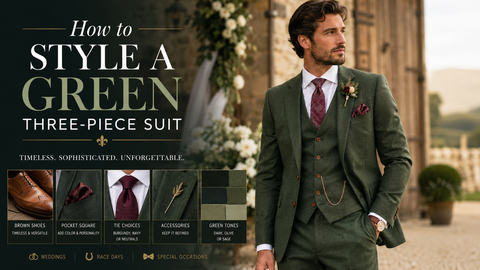
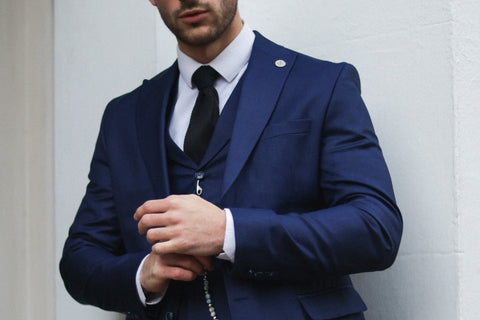
Un traje de tres piezas a juego es la forma más tradicional de llevar un chaleco. Cuando la chaqueta, los pantalones y el chaleco están cortados del mismo tejido, el resultado es atemporal. El azul marino y el gris carbón siguen siendo esenciales para negocios, el negro se reserva para los eventos nocturnos más elegantes, y tweed o cuadro las telas se han convertido en favoritas para bodas y reuniones de temporada. Esta combinación nunca parece fuera de lugar, por eso sigue dominando la sastrería masculina.
Mezclar y combinar
No todos los chalecos tienen que hacer juego. Combinar un chaleco contrastante con un traje liso añade personalidad y crea un punto focal llamativo. Un chaleco gris con un traje azul marino es una elección probada y comprobada. El color marrón claro con azul se ha convertido en una combinación moderna y elegante, y los cuadros usados con chaquetas lisas introducen patrón sin complicar demasiado las cosas. Estas combinaciones funcionan bien en fiestas, cenas sociales y eventos donde quieres destacar sin parecer demasiado arreglado.
Estilos para conocer
Los chalecos vienen en más variedades de las que la mayoría cree:
· De un solo pecho - El más adaptable y fácil de llevar. Funciona con todos los cortes de traje.
· Doble botonadura - Más fuerte, más estructurado y a menudo elegido para ocasiones formales.
· Frente redondeado (forma de U) - Usados a menudo para bodas, diseñados para enmarcar la corbata o el pañuelo y resaltar la camisa.
· Tejidos texturizados - Tweed, terciopelo o telas estampadas para cuando quieres que el chaleco sea la pieza central.
Cada estilo cambia el tono del conjunto, haciendo del chaleco una de las piezas más flexibles en la sastrería.
Consejos de estilo
El chaleco te da más espacio para jugar con accesorios. Los pañuelos de bolsillo añaden contraste, corbatas pueden ser estrechos o anchos dependiendo del corte, y una barra para corbata mantiene todo ordenado. Los zapatos deben coincidir con la formalidad del conjunto: oxfords pulidos para la noche, zapatos brogue para el día, y mocasines si el evento es más relajado. Siempre deja el último botón sin abrochar, un pequeño pero importante gesto a la tradición que mantiene el chaleco en su lugar correctamente.
Cuándo usar un chaleco
El chaleco pertenece a más ambientes de los que la gente piensa. En la oficina, afina un traje estándar y te ayuda a destacar sin romper los códigos de vestimenta. En bodas, separa al novio y su grupo de los invitados con trajes de dos piezas. En cenas formales, un chaleco cruzado añade profundidad que ninguna faja puede igualar. Incluso fuera de la sastrería tradicional, usar un chaleco con pantalones a medida o chinos crea un conjunto casual elegante que se siente seguro sin ser exagerado.
Por qué es importante
El chaleco es más que una capa extra. Cambia cómo queda el traje, cómo se ve y cómo se siente en el hombre que lo lleva. Te permite moverte entre estilos clásicos y modernos, te da opciones para cada evento en el calendario y demuestra que los pequeños detalles pueden tener el mayor impacto. TruClothing’s La colección incluye desde trajes de tres piezas slim fit hasta chalecos cruzados y estilos con estampados, facilitando encontrar el adecuado para tu look.